
5 Natural Remedies for Menstrual Pain Relief: Beyond Medication
Understanding Menstrual Pain
Menstrual pain, also known as dysmenorrhea, is a common experience for many women. It can range from mild discomfort to severe cramps that disrupt daily activities. While over-the-counter medications can offer relief, there are also natural remedies that can help alleviate menstrual pain. These remedies not only address the symptoms but also promote overall well-being.
Understanding Menstrual Pain
The contraction of the uterus causes menstrual pain as it sheds its lining. Prostaglandins, hormone-like substances involved in pain and inflammation, trigger these contractions. High levels of prostaglandins are associated with more severe menstrual cramps.
Understanding the root cause of menstrual pain can help in choosing the most effective natural remedies. Addressing inflammation and improving circulation can reduce the severity and duration of menstrual cramps.
1. Heat Therapy
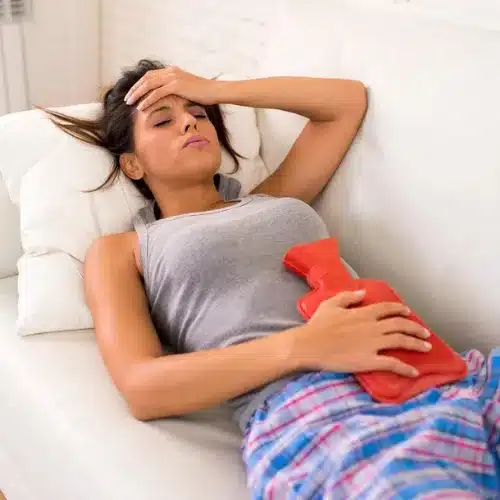
Applying heat to the lower abdomen is one of the simplest and most effective ways to relieve menstrual pain. Heat relaxes the muscles of the uterus, reducing contractions and alleviating pain.
You can apply heat using a hot water bottle, heating pad, or even a warm bath. For best results, apply heat for about 15-20 minutes. This method not only provides immediate relief but also improves blood flow, which can reduce the intensity of cramps over time.
2. Herbal Teas
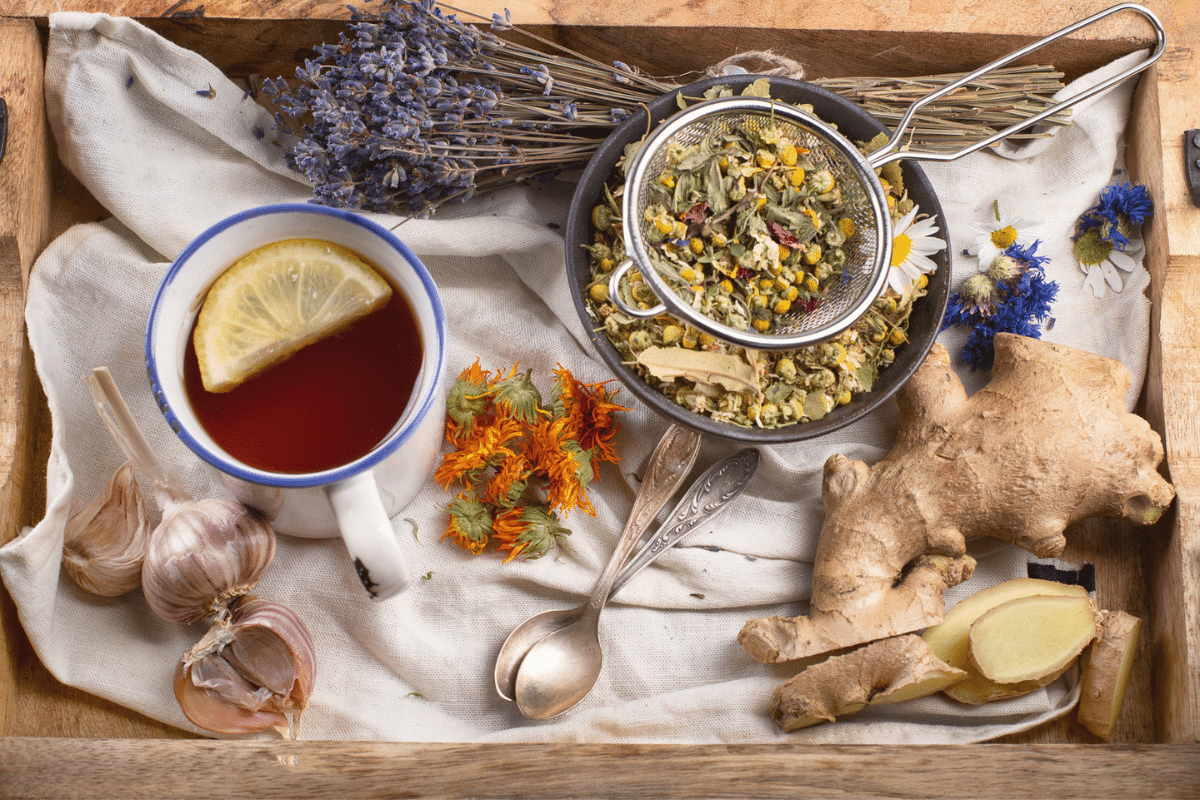
Herbal teas have been used for centuries to manage various ailments, including menstrual pain. Chamomile, ginger, and peppermint teas effectively reduce menstrual cramps. These herbs have anti-inflammatory and antispasmodic properties that can help relax the uterine muscles and reduce pain.
Drinking herbal tea several times daily during your menstrual cycle can provide continuous relief. Additionally, these teas can help you stay hydrated, which is important for overall health and can help alleviate some symptoms of PMS, such as bloating.
3. Regular Exercise
Engaging in regular physical activity can significantly reduce menstrual pain. Exercise releases endorphins, natural painkillers that can help counteract the effects of prostaglandins. Activities like walking, swimming, and yoga are especially beneficial.
Yoga, in particular, can be very effective in reducing menstrual pain. Poses that focus on stretching and relaxation, such as Child’s Pose and Cat-Cow Pose, can help relieve lower back and abdomen tension. Aim for at least 30 minutes of moderate exercise most days of the week to see the best results.
4. Dietary Adjustments
What you eat can significantly impact your menstrual pain. A diet rich in fruits, vegetables, whole grains, and lean proteins can help reduce inflammation and improve overall health. Certain foods, such as those high in omega-3 fatty acids, have been shown to reduce menstrual pain.
On the other hand, it’s best to avoid foods that can exacerbate inflammation, such as processed foods, caffeine, and high-sugar snacks. Staying well-hydrated is also crucial, as dehydration can make cramps worse. Drinking plenty of water and including hydrating foods like cucumbers and watermelon can help.
5. Essential Oils
Essential oils can relieve menstrual pain when used in aromatherapy or applied topically. Lavender, clary sage, and marjoram oils are known for their pain-relieving and muscle-relaxing properties.
To use essential oils for menstrual pain relief, add a few drops to a carrier oil, such as coconut or almond oil, and gently massage the mixture onto your lower abdomen. Alternatively, add a few drops to a warm bath or use them in a diffuser to inhale the soothing scents. Consistent use can help reduce the severity of menstrual cramps over time.
The Role of Stress Management
Stress can exacerbate menstrual pain, making it important to incorporate stress-reducing activities into your routine. Practices like mindfulness, meditation, and deep breathing can help calm the mind and relax the body, reducing pain perception.
Taking time for yourself and engaging in enjoyable activities can also help manage stress. Whether reading a book, spending time in nature, or practicing a hobby, finding ways to relax and unwind can make a significant difference in managing menstrual pain.
Hydration and Its Importance
Staying hydrated is crucial for overall health and can help reduce menstrual pain. Dehydration can cause muscle cramps and make your body work harder, intensifying menstrual cramps. Drinking plenty of water throughout the day can help keep your body functioning optimally and reduce the severity of cramps.
In addition to water, herbal teas and water-rich foods can improve your hydration. Avoiding excessive caffeine and alcohol is also beneficial, as these can dehydrate your body and worsen menstrual symptoms.
Seeking Professional Help
While natural remedies can be highly effective, it’s important to seek professional help if your menstrual pain is severe or persistent. A healthcare provider can help determine if there are underlying conditions, such as endometriosis or fibroids, contributing to your pain. They can also provide additional treatment options and guidance tailored to your needs.
At MiBella Wellness, we offer comprehensive support for women’s health, including personalized advice and treatments for managing menstrual pain. Our team of experts can help you explore natural remedies and other strategies to alleviate discomfort and improve your quality of life.
Embracing a Holistic Approach
Managing menstrual pain naturally involves a holistic approach that addresses both the physical and emotional aspects of well-being. Incorporating heat therapy, herbal teas, regular exercise, dietary adjustments, and essential oils into your routine can reduce the severity of menstrual cramps and promote overall health.
At MiBella Wellness, we believe in empowering women to take control of their health through natural and effective solutions. Contact us today to learn more about our services and how we can help you achieve optimal health and well-being.
Discover holistic and natural menstrual pain relief. Contact MiBella Wellness today!
Contact Us

